
Professional Teeth Whitening vs At-Home Kits: Which Option is Best?

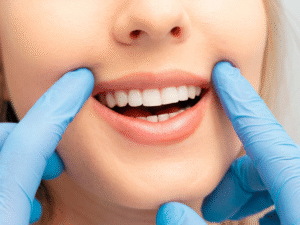
Close-up of a patient’s bright smile being examined by a dental professional after a teeth whitening treatment.

What Makes Professional Teeth Whitening Different

Everyone dreams of having a bright and confident smile. But when you look in the mirror and notice dull or stained teeth, it can make you feel less like yourself. You may start to wonder which whitening option will actually work and which one might harm your teeth. Professional teeth whitening gives you more than just results — it gives you peace of mind.

A dentist understands how different everyone’s teeth are. They know which products will brighten your smile safely and which ones could make sensitivity worse. During a professional whitening session, every step is carefully controlled. The whitening gel is applied evenly, your gums are protected, and your comfort always comes first. The Australian Dental Association explains that professional whitening is both safe and effective because the treatment uses regulated materials that can only be applied by qualified dental practitioners.

When you try to whiten your teeth with store kits, you often do it without guidance. The results can be uneven, or you may feel discomfort that you do not know how to manage. In a clinic, your dentist monitors every detail, making sure you leave with a smile that looks brighter and feels healthy.

At Home Kits or Professional Teeth Whitening

At home whitening kits promise convenience, but the truth is that they can bring mixed results. Maybe you have tried one before and noticed only a small difference. Or maybe your teeth became sensitive and you had to stop halfway. These are common worries, and they happen because each person’s teeth react differently.

In a dental clinic, whitening is completely personalised. Before anything begins, your dentist checks your teeth and gums, reviews your dental history, and plans the treatment based on your level of sensitivity and the type of stains you have. This careful approach prevents pain and ensures your teeth remain protected.

Here are a few key things to keep in mind when comparing both options:
Safety: A dentist ensures the whitening process is gentle and effective without harming enamel.
Results: Professional whitening can brighten your smile in just one visit.
Evenness: Custom applications ensure that every tooth matches the same shade.
Comfort: Protective coatings help reduce sensitivity and make the experience pleasant.

At home kits may still be useful for small touch ups, but if you want visible, lasting results, a professional treatment gives you both results and reassurance.

Caring for Your Teeth After Whitening

Whitening your teeth is a wonderful first step, but keeping them bright takes a little care and consistency. After treatment, your enamel becomes slightly more absorbent, which means stains can return if you are not careful. Try to avoid coffee, tea, red wine, and other dark drinks for a couple of days. Even something simple like drinking through a straw can make a big difference.

It also helps to maintain a gentle daily routine. Brush twice a day with a soft toothbrush, floss regularly, and use toothpaste made for sensitive teeth. Your dentist might also recommend fluoride products that strengthen your enamel and help prevent future stains. According to Teeth.org.au, long lasting results depend not only on the treatment itself but also on your daily habits.

If you ever notice sensitivity or dullness returning, do not panic. It is normal for whitening results to fade slowly over time. With regular dental check-ups and preventive care, you can refresh your smile safely and enjoy it for years to come.

Is Professional Teeth Whitening Right for You?

If you have ever looked at your teeth and felt unsure about smiling, you are not alone. Many people want to brighten their smile but worry about cost, sensitivity, or whether whitening really works. The truth is, there is no single right answer for everyone. The best option depends on what you want, how quickly you want to see results, and how sensitive your teeth are.

If you want fast, noticeable, and safe results, professional whitening is the best choice. Your dentist will handle every step, so you can relax knowing your teeth are in expert hands. If you prefer to go slower, at home treatments can be helpful when guided by your dentist. Together, you can decide what fits your lifestyle, habits, and comfort level.

A smile is deeply personal. It reflects how you feel, how you connect, and how you carry yourself. When your teeth look clean and bright, it changes how you see yourself and how confidently you face the world.

If you are ready to feel that change, book your consultation today at Bay of Isles Dental Clinic. Their caring and experienced team will help you choose the safest and most effective whitening solution for your unique smile and guide you every step of the way.

How Preventive Dental Care Protects Your Smile and Overall Health

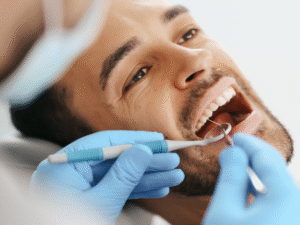
Dentist examining a patient’s teeth during a routine dental check-up

How often do you think about your oral health beyond brushing and flossing? Many people visit the dentist only when pain strikes, but preventive dental care is about staying ahead of problems before they begin. Regular dental visits protect your teeth, gums, and overall wellbeing while saving you from unnecessary discomfort and costly procedures.

This article explains why routine check-ups are essential, what happens during a visit, and how consistent care keeps your smile strong and confident for life.

What Is Preventive Dental Care

Preventive dental care focuses on maintaining healthy teeth and gums through proactive habits and regular visits. It combines daily care at home with professional support from your dentist.

The importance of dental check-ups lies in early detection. Even when your teeth feel fine, small issues like cavities or gum inflammation can go unnoticed. By identifying these early, your dentist can prevent larger problems from developing.

Preventive care isn’t just about fixing issues; it’s about preserving your natural smile and promoting long term oral health.

Key Benefits of Regular Dental Check-ups

Your mouth needs more than just brushing and flossing. Seeing your dentist regularly offers benefits that go far beyond clean teeth.

  • Early Detection of Problems: During regular dental check-ups, your dentist examines every part of your mouth to spot early signs of decay, gum disease, or enamel wear. Treating small issues early prevents pain and saves teeth.
  • Professional Teeth Cleaning and Tartar Removal: Even with great brushing habits, plaque hardens into tartar over time. Professional teeth cleaning removes this build-up and leaves your mouth fresh. Tartar removal helps prevent gum irritation and maintains a smooth enamel surface.
  • Preventing Gum Disease: Healthy gums are essential for strong teeth. Regular dental visits help stop plaque and bacteria from progressing into gingivitis or periodontal disease.
  • Saving Time and Money: Routine care is far less costly than major dental work. Preventing decay now means avoiding root canals, crowns, or extractions later.
  • Supporting Whole-Body Health: Oral health and general health are closely linked. Studies show that gum disease is connected to conditions like heart disease and diabetes. Keeping your mouth healthy benefits your entire body.

What Happens During a Preventive Dental Care Visit

If you haven’t had a checkup in a while, here’s what a typical visit looks like.

Your dentist begins with a review of your medical and dental history, followed by a detailed oral examination. They’ll check your teeth, gums, tongue, and soft tissues for signs of decay or infection.

X-rays may be taken if needed to detect hidden issues. After this, a professional teeth cleaning removes plaque and tartar that brushing can’t reach. Many dentists also perform an oral cancer screening and check your bite alignment.

If you’re wondering how long does a dental check-up take, most appointments last between 30 and 45 minutes—an easy step toward lasting dental health.

Dental Monitoring for Long-Term Oral Health

Dental monitoring is the ongoing process of tracking changes in your teeth and gums over time. By visiting regularly, your dentist can notice small shifts such as enamel thinning or gum recession before they lead to major concerns. 

Your dental check-up frequency depends on your oral health, habits, and risk factors. Regular monitoring gives your dentist the insight needed to tailor care for your unique smile and ensure consistent protection.

How Often to Visit the Dentist for Preventive Dental Care

Patients often ask how often to visit the dentist. While every six months is a common guideline, the ideal schedule varies.

People with gum disease, frequent cavities, or orthodontic work may need more frequent visits, while others with excellent oral hygiene can be seen once a year. Your dentist will recommend the right plan based on your needs and goals.

The key is staying consistent because prevention only works when it is ongoing.

Common Myths About Regular Dental Check-ups

A few common myths discourage people from seeing their dentist regularly. Here are the most common ones:

  • “No pain means no problem.” Many dental issues develop silently before pain begins.
  • “Teeth cleaning weakens enamel.” Cleanings protect teeth by removing harmful build-up.
  • “Dental visits are too expensive.” Preventive care is far more affordable than corrective treatments.
  • “Brushing and flossing are enough.” Home care is important, but it doesn’t replace professional exams and cleanings.

Understanding these myths highlights the true importance of dental check-ups and how they help maintain long-term oral health.

Tips to Make the Most of Every Visit

To get the most from your appointments:

  • Note any sensitivity or pain before your visit.
  • Share updates about your oral care habits or health changes.
  • Keep brushing and flossing regularly between visits.
  • Always schedule your next regular dental check-up before you leave the clinic.

Small steps like these make a big difference in maintaining your oral health.

FAQs About Preventive Dental Care

  1. How often to visit the dentist
    Most people should see their dentist every six months, though your provider may recommend a different schedule.
  2. How long does a dental check-up take
    A standard appointment usually lasts about 30–45 minutes.
  3. What is the importance of dental check-ups
    They help detect early signs of problems, prevent gum disease, and promote overall wellbeing.
  4. What affects dental check-up frequency
    Factors like oral hygiene, medical conditions, and age all influence how often you should go.
Keep Your Smile Healthy with Preventive Dental Care

Healthy smiles start with consistent care. Preventive dental care protects your teeth, gums, and overall health while keeping your smile bright and confident.

Don’t wait for discomfort to remind you to book a visit. Prevention is the best treatment, simple, affordable and effective.

👉 Book your next check-up with Bay of Isles Dental Clinic and experience friendly, professional dental care that keeps your smile healthy for years to come.