
A Day-by-Day Guide That Answers Can I Eat After Dental Implants Surgery Esperance
It is very natural to feel unsure about eating after dental implant surgery. Many people feel worried about hurting the healing area or slowing their progress by choosing the wrong foods. Your mouth has just been through a delicate procedure and it makes sense to want clear, simple guidance. The soft food stage is not a limitation. It is a gentle way of caring for yourself while your gums and bones begin to adjust to the new implant. You can still enjoy meals that nourish you and bring comfort during recovery.
This stage of eating is temporary. It gives your mouth the calm environment needed for early healing. When you choose foods that require very little chewing, you avoid placing pressure on sensitive tissue. This prevents irritation and makes healing feel steadier and more predictable.
Why Soft Foods Help Your Implant Heal
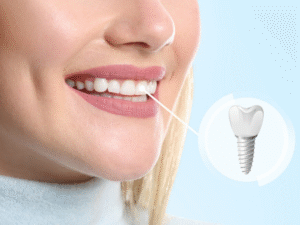
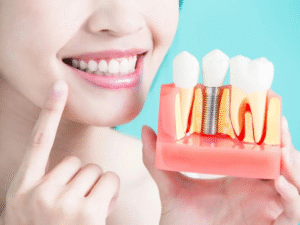
A dental implant heals by slowly connecting with the bone beneath the gum. This is a natural and gradual process. Pressing, chewing, or biting too firmly in the early days can disturb that process. Soft foods protect the area while allowing your body to receive steady nourishment.
If you would like a helpful explanation of how implants function and settle into place, this resource from the United States Food and Drug Administration gives a clear overview.
This stage of recovery also connects with your ongoing general dentistry services. When you take care of your mouth consistently, healing feels more supported and less stressful.
Days One and Two After Surgery
During the first two days, choose food that is smooth and does not require chewing. Warm blended vegetable soups, soft yogurt, mashed oats, creamy mashed potatoes, and mild smoothies without seeds are all good choices. Eating slowly can help you feel more at ease.
Avoid using straws because the suction can create pressure inside the mouth. Avoid very hot foods since they might cause irritation. Flavors that are neutral and gentle are usually the most comfortable during this stage.
Days Three to Seven After Surgery
Once tenderness begins to decrease, you can introduce foods that are soft but not completely liquid. Mashed vegetables, scrambled eggs, soft noodles, cottage cheese, and ripe bananas are useful options. These foods allow your meals to feel more familiar without stressing the healing implant.
If chewing feels difficult, place the food on the opposite side of your mouth. There is no need to rush. Healing is not a race. Steady progress is meaningful progress.
Including foods that support overall dental restoration can help you feel both nourished and cared for. Think of this as giving your mouth time to adjust at a pace that feels gentle.
Week Two and Introducing Gentle Chewing
By the second week, many people feel ready to try foods with a little more texture. Soft fish that flakes easily, very tender chicken that can be broken apart gently, steamed vegetables that mash with little effort, and mild rice dishes can all work well. Listen to your comfort levels. If something does not feel right, return to softer foods for a short time.
This is also a good time to notice implant healing as something gradual and steady. Healing does not have to be perfect to be moving in the right direction.
Foods to Avoid for Now
Avoid foods that are very hard, crunchy, chewy, or sticky. Nuts, crusty bread, chewy meats, and sticky sweets can put pressure on the healing area. Very hot foods can also irritate the gum. These temporary boundaries are simply there to support comfort and protect the implant.
For a clear list of helpful soft foods, you can explore this gentle dietary guide.
This can help you plan meals with ease, rather than guesswork.
Simple Meal Ideas That Offer Comfort and Nourishment
Breakfast might be soft scrambled eggs, oatmeal, or yogurt mixed with mashed fruit. Lunch could be blended soup with soft noodles or mashed sweet potatoes with cooked vegetables. Dinner might include tender rice dishes, soft pasta, or mashed vegetables. Snacks can include ripe fruit, avocado, or soft cheese.
This style of eating feels reassuring and steady. It supports your healing without demanding effort.
Healing Progress and When to Reach Out
It is normal to notice small changes in comfort from day to day. Mild swelling is expected. Gradual ease while eating is also expected. If discomfort increases instead of decreases, or if swelling becomes more pronounced, it is a sign to reach out. If you notice an unusual taste or persistent bleeding, guidance is available and supportive.
This is part of following dental implant care guidelines and making sure everything is healing in a steady way. Some people look ahead and wonder about dental implant cost or how this fits into long term plans such as full mouth restoration. These conversations can happen during follow up visits in a calm and supportive manner. Preventive dental care continues to help your implant stay strong in the years ahead.
Call to Action
Recovery after dental implant surgery is gradual and personal. The soft food stage may feel unfamiliar, but it protects your healing implant while your body adjusts. You are allowed to move slowly, notice your comfort, and make choices that feel gentle. Eating will become easier again with time, and your confidence will return naturally.
If you would like guidance that is calm, supportive, and tailored to your situation, you can speak directly with the team here: Contact Bay of Isles Dental Clinic